

How to Practice Saxophone
(Beginner to Intermediate Guide)
Learning how to practice saxophone properly can completely change your progress.
Many players practice regularly — but don’t really improve.
The problem is not motivation. It’s structure.
Without a clear plan, you end up repeating the same things, playing songs you already know, or jumping randomly between exercises.
If you want real improvement, you need an organized approach.
Here’s how to structure your saxophone practice effectively.
1. Start With Sound & Breathing
Your sound is everything. Before scales, before songs — focus on tone. Spend 5–10 minutes on:
• Long tones
• Deep breathing
• Stable air support
• Relaxed embouchure
• Playing with a tuner
Long tones may feel simple, but they build control, consistency, and confidence. A beautiful tone makes even simple notes sound professional.

2. Practice Scales the Smart Way

Scales are not just technical drills. They are the foundation of:
• Improvisation
• Musical understanding
• Finger coordination
• Intonation
Start with:
• Major scales (one key at a time)
• Relative minor scales
• Pentatonic scales
Always practice with a metronome. Slow and controlled is better than fast and messy. Structure creates freedom.
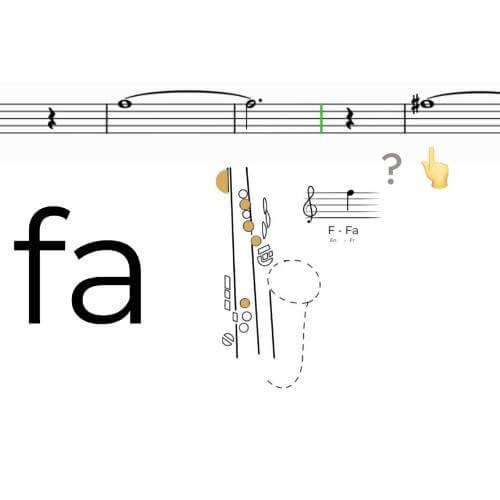
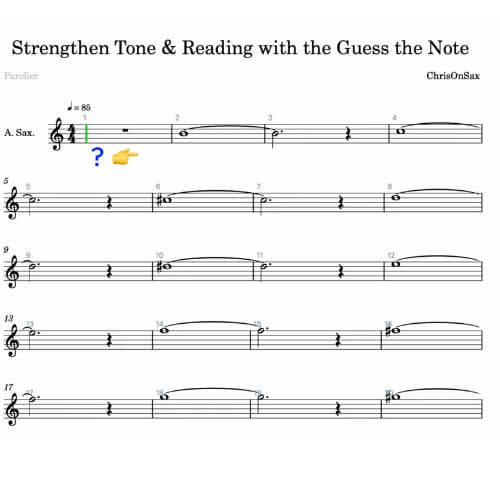
3. Work on Technique & Reading
To improve efficiently, include technical exercises in every session. Focus on:
• Finger coordination
• Articulation (tonguing)
• Rhythm precision
• Reading simple melodies
Even 10 minutes per day can dramatically improve fluency.
Reading music regularly also helps you learn new songs faster and build musical independence.

4. Play With Backing Tracks
This is where music becomes real. Practicing with backing tracks helps you:
• Develop timing
• Improve listening skills
• Apply scales in real musical contexts
• Build improvisation confidence
Instead of only playing exercises, you start making music. And that changes everything.
5. Follow a Weekly Practice Routine
Consistency is more important than duration. Here’s a simple 45-minute structure you can use:
• 10 minutes – Tone & breathing
• 15 minutes – Scales
• 10 minutes – Technique / reading
• 10 minutes – Playing with music
If you practice 4–5 times per week with this structure, you will see real progress.
A Structured Space to Guide Your Practice
If you prefer not to guess what to practice every day, I created a dedicated learning space called the Practice Room.
👉 Explore the Practice Room here:
https://chrisonsax.com/practice-room
The Practice Room is an organized space designed to help you structure your progress throughout the year. Inside, you’ll find:
• Guided tone exercises
• Structured scale sections (all keys)
• Improvisation drills
• Technique exercises
• Backing tracks
• Downloadable scores (PDF)
• Fingering charts
• Clear progression sections
Whether you are a beginner or an intermediate player, the goal is simple: Give you clarity.
Give you structure.
Help you improve consistently.
Because practicing without structure creates frustration.
Practicing with direction creates results.
If you stay consistent, focus on sound first, and follow a structured approach, your saxophone playing will naturally improve. Progress is not about practicing more. It’s about practicing better.
FAQ
How long should I practice saxophone each day?
For beginners, 30 to 45 minutes per day is ideal.
What matters most is consistency, not duration. Practicing 4–5 times per week with a clear structure will bring better results than practicing randomly for 2 hours once a week.
A balanced session should include:
• Tone exercises
• Scales
• Technique or reading
• Playing with music
What is the best saxophone practice routine?
A simple and effective routine looks like this:
• 10 minutes – Long tones & breathing
• 15 minutes – Scales (major, minor, pentatonic)
• 10 minutes – Technique exercises
• 10 minutes – Backing tracks or songs
This type of structured routine helps you improve tone, coordination, rhythm and improvisation at the same time.
How can I improve my saxophone tone?
To improve your saxophone tone:
• Practice long tones daily
• Focus on steady air support
• Relax your embouchure
• Use a tuner to check intonation
• Record yourself regularly
Tone development is a long-term process, but daily consistency makes a big difference.
Should beginners practice scales?
Yes — scales are essential.
Scales help you:
• Understand music theory
• Improve finger coordination
• Prepare for improvisation
• Learn songs faster
Start with major scales in simple keys and gradually expand.
Is it better to practice with backing tracks?
Absolutely.
Backing tracks allow you to:
• Apply scales in real music
• Develop rhythm and timing
• Practice improvisation
• Gain confidence
Practicing with music makes your sessions more engaging and realistic.
Inside my Practice Room, students follow structured backing tracks designed to match their level and progression.
👉 Explore the Practice Room here:
https://chrisonsax.com/practice-room




 English (UK)
  Français